L6 L7 Cars Pakistan: A New Micro-Car Category Cheaper Than the Suzuki Alto
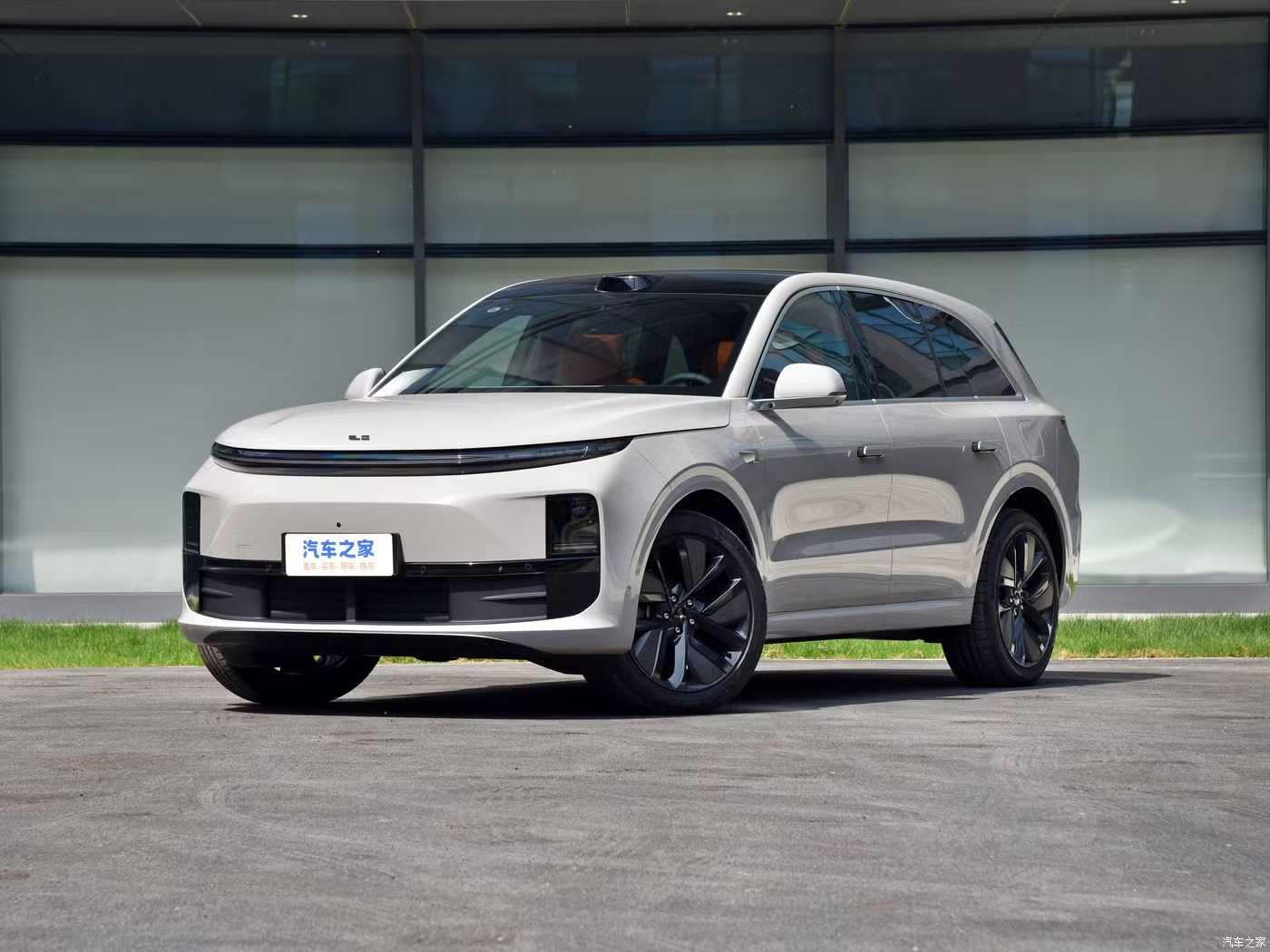
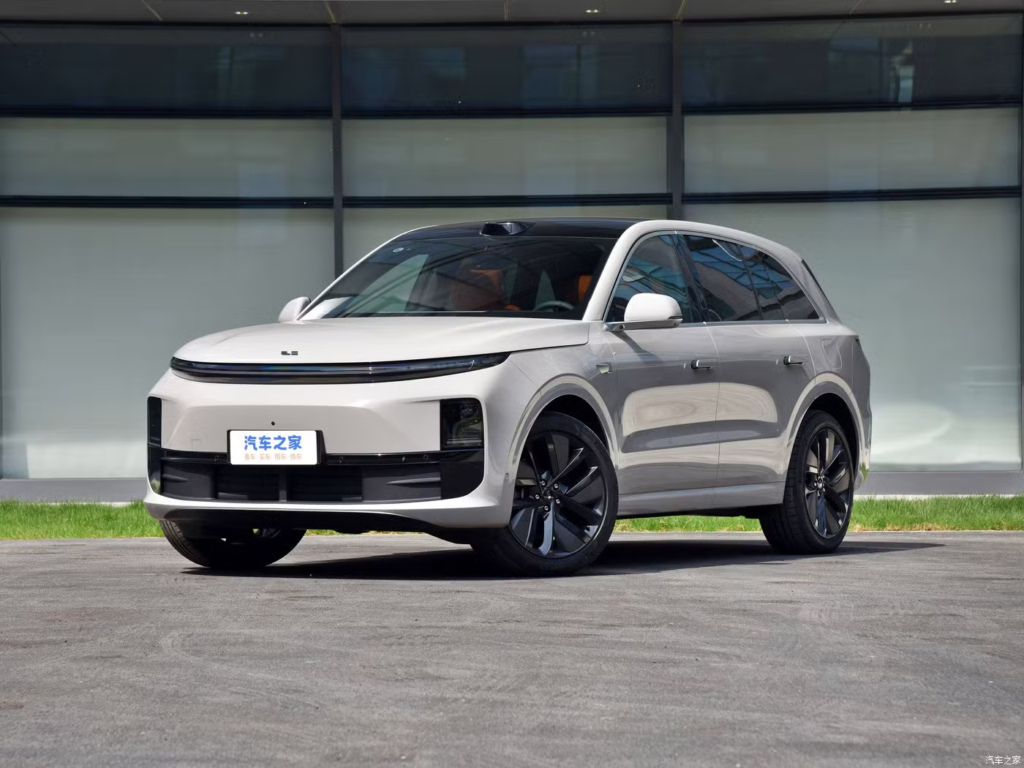
L6 L7 cars Pakistan — a vehicle category that has never existed in the country before — are on the verge of becoming a legal, affordable reality. Under the draft New Auto Industry Development and Export Policy (AIDEP) 2026–31, these lightweight micro-cars are designed to fill the massive affordability gap between three-wheelers (rickshaws) and entry-level 660cc cars like the Suzuki Alto. If approved, the introduction of L6 L7 cars in Pakistan could be the biggest shift in the country’s auto landscape in two decades.
This guide covers everything: what L6/L7 vehicles actually are, why Pakistan needs this category, what the draft policy proposes, who might benefit, what it will cost, and what risks remain. Whether you’re a potential buyer, an investor, an auto industry professional, or simply someone frustrated with car prices in Pakistan — this is the most complete breakdown available.
📋 Table of Contents
- What Are L6 L7 Cars? A Simple Explanation
- Why Pakistan Urgently Needs L6 L7 Cars
- What Does Auto Policy 2026–31 Propose?
- Comparison: L6 L7 vs Existing Options in Pakistan
- Who Stands to Benefit Most?
- Investment & Business Opportunity
- Risks, Challenges, and Honest Caveats
- How This Compares to Other Countries
- What Buyers Should Do Right Now
- Frequently Asked Questions
- Conclusion
What Are L6 L7 Cars? A Simple Explanation for Pakistan Buyers
The L6 and L7 classifications are international vehicle categories defined under global automotive standards, but they are entirely new to Pakistan’s regulatory framework. Understanding what L6 L7 cars in Pakistan will actually look like is essential before forming any opinion on the policy.
L6 vehicles are light quadricycles with a maximum speed of 45 km/h, an unladen mass under 350 kg, and an engine capacity of 50cc (petrol) or equivalent electric motor power. Think of them as heavy-duty, four-wheeled electric scooters — enclosed for weather protection, legally road-compliant, and priced far below conventional cars. In Europe, L6 vehicles can be driven without a full car license in many countries.
L7 vehicles are heavy quadricycles — more car-like in construction. They can reach up to 90 km/h, carry up to 400 kg unladen mass, and have engines under 15 kW (or petrol equivalents under 400cc). They look and feel much closer to a conventional small car, with proper seating for 2–4 passengers, crash structures, and modern features.
In countries like China, France, and India, this category already has a massive market. China’s micro-EV segment — dominated by vehicles like the Wuling Hongguang Mini EV — has sold millions of units at price points between $5,000 and $9,000. Pakistan’s L6 L7 car policy is explicitly designed to attract similar manufacturers and investment.
Why Pakistan Urgently Needs L6 L7 Cars
Pakistan has one of the most extreme motorcycle-to-car ownership gaps in the world. According to industry estimates, there are over 30 million registered motorcycles in the country versus roughly 4–5 million passenger cars. The math tells a clear story: tens of millions of Pakistani families want four-wheeled, safe, weather-protected transport but simply cannot afford it.
The Suzuki Alto — Pakistan’s cheapest mainstream car — currently costs between PKR 2.99 million and PKR 3.33 million depending on the variant. For a household earning PKR 60,000–80,000 per month (the lower-middle income bracket), that is roughly four to five years of gross income. Even with financing, monthly installments are unmanageable.
Meanwhile, the options below the Alto are limited to motorcycles (cheap but dangerous), rickshaws (hire only), or aged used cars with high maintenance costs. L6 L7 cars in Pakistan directly fill this gap — safer than a motorcycle, more affordable than the Alto, and purpose-built for urban commuting in Pakistan’s city traffic conditions. Learn more in our complete guide to affordable cars in Pakistan.
Auto Policy 2026–31: What It Proposes for L6 L7 Cars in Pakistan
The draft Automobiles and Auto Parts Manufacturing Policy 2026–31 (AIDEP) is structured around three main pillars. The L6 L7 cars Pakistan introduction is Pillar One.
Pillar 1: L6 L7 Micro-Vehicle Category — The Foundation
The policy formally defines L6 and L7 as separate vehicle categories in Pakistan’s regulatory framework. This is the foundational step — without a legal category, no manufacturer can register, certify, or sell L6 L7 cars in Pakistan. The policy proposes dedicated vehicle standards and type approval processes, reduced import duty on components to encourage local assembly, a proposed 1% Sales Tax on L6/L7 vehicles (vs the standard 17–25% on conventional cars), and simplified manufacturing license pathways to attract new entrants.
Pillar 2: New Energy Vehicle (NEV) Incentives
The policy heavily incentivizes electric and hybrid variants. L6 L7 electric cars in Pakistan are expected to benefit from additional tax exemptions, making them the most affordable new vehicles ever available in the country. This aligns with Pakistan’s broader energy transition goals and reduces dependence on imported petroleum.
Pillar 3: Auto Financing Reform
The policy proposes relaxed 7-year auto financing terms for eligible small vehicles including L6/L7 categories, targeting first-time buyers and lower-income households. This is designed to make even modestly priced L6 L7 cars in Pakistan accessible to households who cannot pay cash upfront.
Comparison: L6 L7 Cars Pakistan vs Existing Options
| Feature | L6 Micro-Car | L7 Micro-Car | Suzuki Alto (660cc) | Motorcycle (125cc) |
|---|---|---|---|---|
| Expected Price (PKR) | 800K–1.3M | 1.2M–2.2M | 2.99M–3.33M | 200K–320K |
| Top Speed | 45 km/h | 90 km/h | 140+ km/h | 90–100 km/h |
| Passenger Capacity | 2 | 2–4 | 4–5 | 2 (unsafe) |
| Weather Protection | ✅ Full | ✅ Full | ✅ Full | ❌ None |
| Family Safety | ⚠️ Basic | ✅ Good | ✅ Good | ❌ Poor |
| Fuel Cost/km | Very Low (EV) | Low | Medium | Very Low |
| Parking in City | ✅ Easy | ✅ Easy | ⚠️ Moderate | ✅ Easy |
| Highway Use | ❌ Not recommended | ⚠️ Limited | ✅ Yes | ⚠️ Risky |
Who Stands to Benefit Most from L6 L7 Cars in Pakistan?
The L6 L7 cars Pakistan category primarily targets:
- Motorcycle upgraders — families who currently rely on bikes and want safer, enclosed transport
- First-time car buyers — lower-middle income households priced out of the Alto
- Urban commuters — people traveling short distances (under 30 km daily) in city traffic
- Women drivers — a segment that has historically avoided motorcycles due to safety and social factors
- Small business owners — for light goods transport (L7 variants)
- New auto manufacturers — lower barriers to entry vs conventional car category
Investment & Business Opportunity: L6 L7 Cars Pakistan Market
The L6 L7 cars Pakistan policy creates a genuinely new market — not a reshuffling of existing demand. Pakistan’s addressable market for sub-PKR 2M vehicles is conservatively estimated in the millions of units over a 5-year horizon, assuming price points of PKR 1–2 million are achieved.
The most likely early entrants are Chinese micro-car and micro-EV manufacturers. China dominates the global L6/L7 segment — the Wuling Hongguang Mini EV alone has sold over 1 million units since 2020. With China’s Belt and Road investment appetite in Pakistan and existing auto manufacturing infrastructure through CPEC, the groundwork is already partially laid.
Local investors should watch for new assembly plant announcements targeting L6 L7 cars in Pakistan (likely in Punjab and Sindh industrial zones), parts localization opportunities (body panels, seats, wiring harnesses), EV charging infrastructure for urban micro-EVs, insurance product development for the new category, and auto financing products targeting first-time buyers. See our related guide: Investing in Pakistan’s Electric Vehicle Sector 2026.
Risks and Challenges for L6 L7 Cars in Pakistan
This policy is promising, but Pakistan’s auto policy history demands caution. Several structural risks could reduce or eliminate the consumer benefit from L6 L7 cars in Pakistan:
Risk 1: The “Own Money” Problem
Pakistani buyers are familiar with this phenomenon — a car is priced at X by the manufacturer, but dealers charge X + “own money” (a premium) because demand exceeds supply. This has plagued every affordable car launch in recent memory. Even if L6 L7 cars in Pakistan are nominally priced below the Alto, dealer premiums could push real-market prices significantly higher.
Risk 2: Rupee Depreciation
Even locally assembled L6 L7 cars in Pakistan will rely on imported components, at least initially. If the PKR continues to depreciate against the Chinese Yuan or USD, manufacturing costs rise regardless of domestic tax policy. A vehicle priced at PKR 1.2 million today could cost PKR 1.6 million by launch simply due to currency movement.
Risk 3: High KIBOR / Financing Costs
The policy proposes 7-year financing, but if KIBOR remains elevated, monthly installments may still be unaffordable for target buyers. A PKR 1.5 million vehicle financed at 20% over 7 years carries monthly payments of roughly PKR 35,000–40,000 — still out of reach for many in the target demographic for L6 L7 cars in Pakistan.
Risk 4: Safety Standards Gap
Micro-cars face legitimate safety criticisms. In crash tests, L6/L7 vehicles are significantly less protective than conventional cars. Pakistan’s roads — with heavy trucks, buses, and aggressive driving — are particularly unforgiving. Regulators will need to balance affordability against minimum safety requirements for L6 L7 cars in Pakistan.
Risk 5: Policy Timeline Slippage
The policy is still in draft form as of May 2026. Cabinet approval, regulatory framework development, and manufacturer certification processes could push effective availability of L6 L7 cars in Pakistan to mid-2027 or later. Pakistan’s track record on policy implementation timelines is mixed.
How L6 L7 Cars Pakistan Compare to Other Countries’ Micro-Car Policies
Pakistan is not pioneering this — it is catching up with a well-established global trend in the L6 L7 cars market.
In France, the voiturette (L6 equivalent) category has existed for decades. Vehicles like the Citroën Ami have become urban icons — 100% electric, priced at €8,000, and legally drivable from age 14. In China, micro-EVs account for over 20% of new EV sales. In India, the quadricycle category was introduced under the 2014 auto policy, though it struggled with tepid manufacturer response.
The key lesson from India’s experience: a policy framework alone is insufficient. Manufacturers need confident, stable demand signals and a genuine price point advantage. Pakistan’s proposed 1% Sales Tax — if implemented — would be a significantly stronger incentive than India’s quadricycle policy offered, making the prospects for L6 L7 cars in Pakistan more promising.
What Pakistan Buyers Should Do Right Now About L6 L7 Cars
- Do not wait to buy your current transport — L6 L7 cars in Pakistan won’t be available before mid-2027 at the earliest
- Monitor AIDEP Cabinet approval — that is the go/no-go signal for manufacturers to invest in the L6 L7 cars Pakistan market
- Research Chinese brands — look at what’s available globally in the L6/L7 space (Wuling, DFSK, Baojun) to understand what Pakistan might receive
- Be realistic about price — the “cheaper than Alto” headline is the policy goal, not a guaranteed retail outcome for all L6 L7 cars in Pakistan
- Consider electric variants — if L6 L7 electric cars in Pakistan receive the proposed tax incentives, the total cost of ownership (fuel + maintenance) makes them extremely competitive even at higher sticker prices
Frequently Asked Questions: L6 L7 Cars Pakistan
Q: What are L6 L7 cars in Pakistan?
L6 L7 cars in Pakistan are lightweight micro-car categories proposed under Auto Policy 2026–31. L6 vehicles have a top speed of up to 45 km/h and engine capacity under 350cc. L7 vehicles can reach up to 90 km/h with engines under 400cc. Both sit between three-wheelers and conventional 660cc cars like the Suzuki Alto.
Q: Will L6 L7 cars in Pakistan be cheaper than the Suzuki Alto?
Yes — that is the explicit policy intent. The Suzuki Alto currently costs PKR 2.99M–3.33M. L6 L7 cars in Pakistan are designed to cost significantly less, with estimates ranging from PKR 800K to PKR 2.2M depending on the variant, largely driven by lower manufacturing costs and a proposed 1% Sales Tax.
Q: When will L6 L7 cars be available in Pakistan?
The policy targets implementation from July 2026 after Cabinet approval. However, actual L6 L7 cars in Pakistan — once manufacturers set up local assembly — are more realistically expected in mid-2027 or later.
Q: Which companies might launch L6 L7 cars in Pakistan?
No companies have been officially announced. Chinese micro-car manufacturers — including Wuling, DFSK, and Baojun — are considered the most likely early entrants given their global expertise in the L6 L7 cars Pakistan segment and existing China-Pakistan CPEC investment relationships.
Q: What is AIDEP 2026–31?
AIDEP stands for Auto Industry Development and Export Policy 2026–31. It is Pakistan’s draft automotive policy covering 2026–2031, built around three pillars: introducing L6 L7 cars in Pakistan, incentivizing New Energy Vehicles (NEVs), and expanding auto financing access.
Q: Can L6 L7 cars in Pakistan be used on highways?
L6 vehicles (max 45 km/h) are not suitable for highways. L7 vehicles (up to 90 km/h) can manage limited highway use but are primarily designed for urban roads. For the foreseeable future, L6 L7 cars in Pakistan are not recommended for Pakistan’s major motorways (M-series).
Conclusion: L6 L7 Cars Pakistan — Genuine Opportunity With Eyes Open
The proposed L6 L7 cars Pakistan category under AIDEP 2026–31 is potentially the most significant pro-affordability move in Pakistan’s auto policy in a generation. It directly targets the tens of millions of Pakistani families who are economically stranded between motorcycles and cars — a gap that has existed for decades and caused immeasurable economic and safety harm.
If the policy is implemented with serious enforcement of price controls, genuine localization incentives, and quality oversight on safety standards, L6 L7 cars in Pakistan could genuinely democratize car ownership for the first time.
But Pakistan’s auto policy history also teaches humility. “Cheaper than the Alto” must be the retail reality, not just the policy headline. The test will come when the first L6 L7 cars in Pakistan hit showrooms — and whether ordinary Pakistani families can actually afford to buy one.
Watch this space. The next 18 months will be decisive. In the meantime, read our related guide: Suzuki Alto vs Alternatives in Pakistan 2026.
References & Sources:
- ProPakistani — “Pakistan Planning to Launch New Small Cars Category With Cheaper-Than-Alto Prices” — propakistani.pk
- PakWheels Blog — “How Auto Policy 2026–31 Could Make Cars More Affordable” — pakwheels.com
- Government of Pakistan — Draft AIDEP 2026–31 Policy Document
- European Commission — L-Category Vehicle Regulations (EU 168/2013)
- China Association of Automobile Manufacturers (CAAM) — 2025 Micro-EV Sales Report


The login process is secure and fast. I love how stable the connection is even during peak hours. Log in at 333winlogin!
Great vibes and even better rewards. I feel like I actually have a chance to win big here compared to other sites. krlucklandcasino is the real deal.
Best Jili games I’ve played in a while. The graphics are crisp and the wins feel rewarding. Big shoutout to 178jilicasino for the top tier service.
Great platform with a lot of exciting options. The registration was a breeze and jljl2login provides a very stable connection even during peak hours.
The rewards system here is actually generous. I managed to get a decent bonus just by signing up. It is a great place for both new and pro players. idkayaraya
Finally a platform that understands what Asian players need. The login is secure and the customer support is actually helpful. Great job plus777asialogin.
The mobile version is just as good as the desktop one. I can play anywhere and anytime without any glitches. br555uu is top notch.