Iranian Rial Rate in Pakistan: 4 Shocking Reasons Behind the Massive Surge
Introduction
Something unusual is happening in Pakistan’s currency markets right now — and it’s attracting attention from Karachi to Quetta.
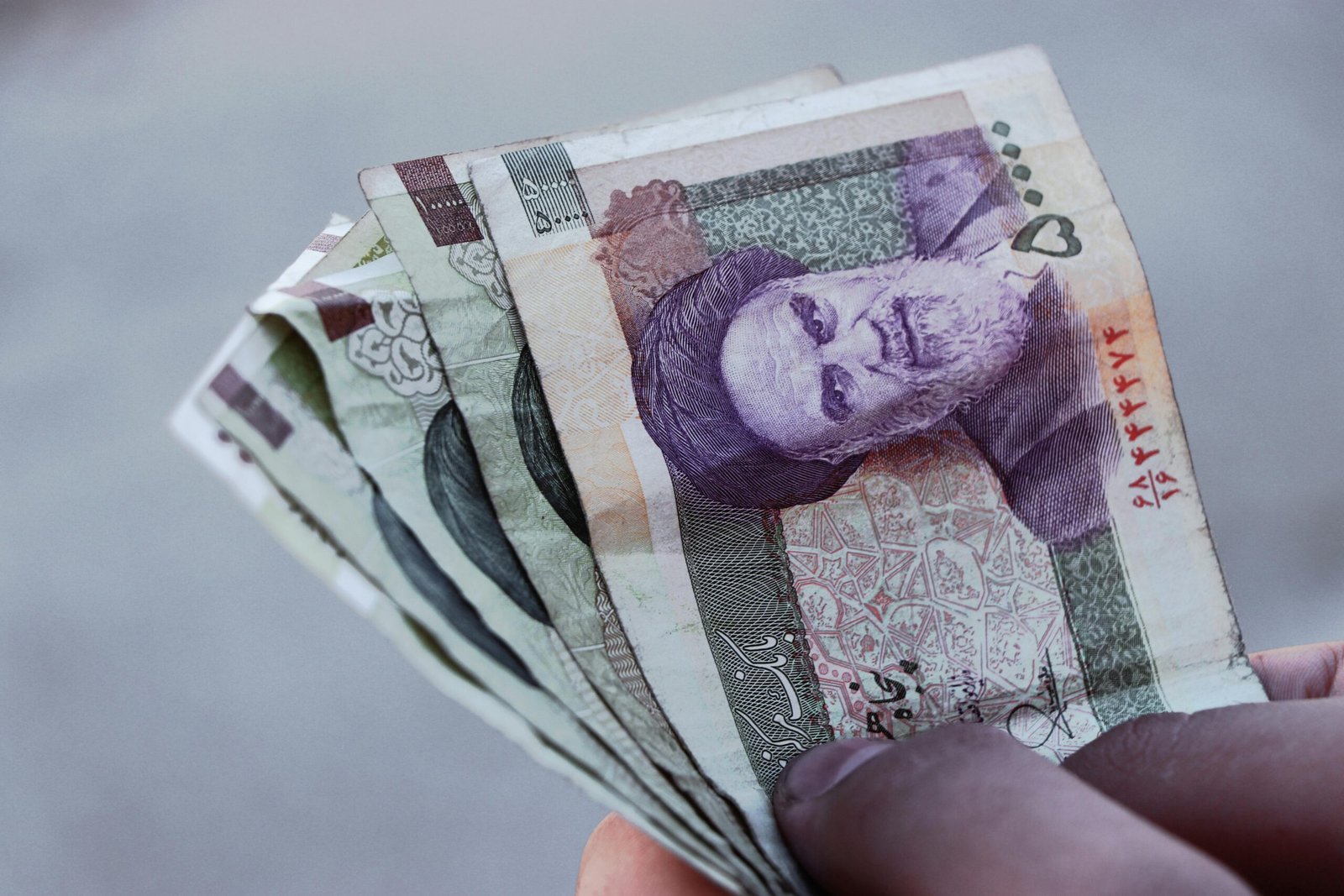
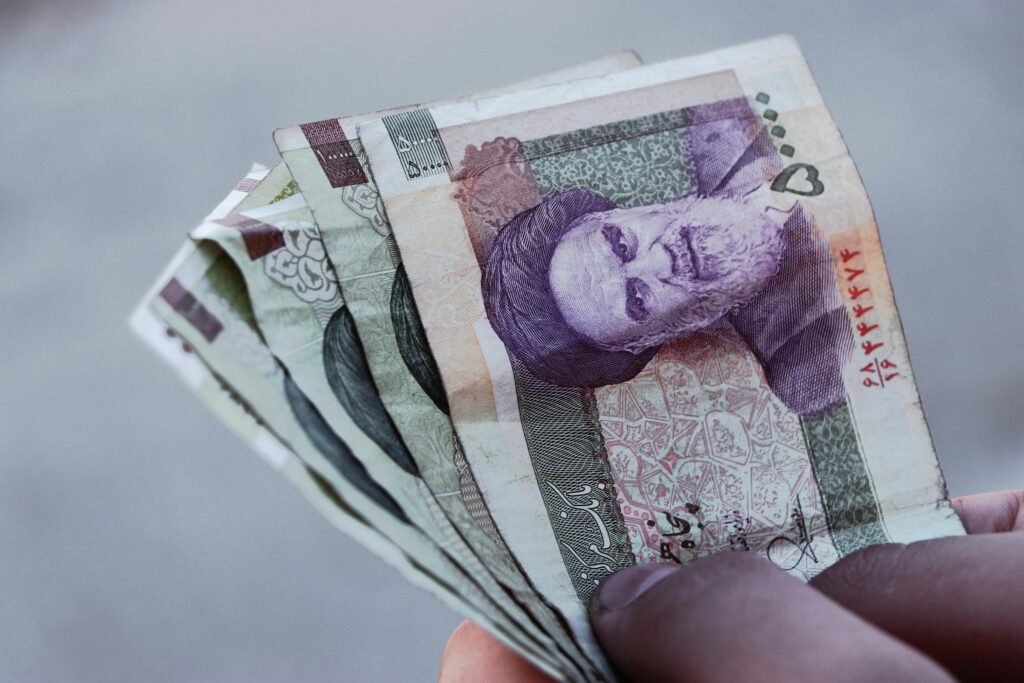
The Iranian Rial rate in Pakistan’s open market has surged nearly fourfold in just a matter of months. A bundle of 1 crore (10 million) Iranian Rials, which used to fetch around PKR 2,500 before recent escalations, is now trading between PKR 8,000 and PKR 10,000 in informal cash markets across the country.
That’s a 300% to 400% jump — in a currency that is simultaneously near its historic low against the US dollar.
So what’s going on? Why are Pakistani traders aggressively buying a currency that is collapsing on the global stage? Is this a genuine investment opportunity — or a speculative trap?
This guide breaks down the current Iranian Rial rate in Pakistan, what’s driving the surge, what the two very different exchange rates actually mean, and what experts are warning small investors to watch out for.
Iranian Rial Rate in Pakistan Today — May 15, 2026
As of May 14–15, 2026, here is the complete rate picture:
| Market Type | Rate |
|---|---|
| Open Market (Pakistan – Cash Bundle) | PKR 8,000–10,000 per 1 crore (10 million) IRR |
| Per 1 PKR in Open Market | ~1,000 Iranian Rials |
| Per PKR 1,000 | ~1,000,000 (10 lakh) Iranian Rials |
| Official / Mid-Market Rate | 1 PKR ≈ 4,712–4,730 Iranian Rials |
| Per 1 crore IRR at mid-market | ~PKR 2,115–2,125 |
| USD to IRR (Global Market) | ~1,814,000 Rials per $1 (as of May 14, 2026) |
(Sources: ARY News, Daily Ausaf, The Nation, AlanChand — May 14–15, 2026)
Key point: The open market rate in Pakistan is giving traders roughly double the value compared to the official mid-market rate. This premium is entirely a local phenomenon driven by speculation and cross-border trade demand.
Why Is the Iranian Rial Rate in Pakistan So High?
This is the question everyone is asking. The answer has three distinct drivers.
1. Speculation on US-Iran Diplomatic Progress
The single biggest driver of Pakistani demand for the Iranian Rial is speculation. Traders and investors across Karachi, Lahore, and Quetta are purchasing Rials in anticipation of potential gains if diplomatic relations between the United States and Iran improve.
The logic: if US sanctions on Iran are eased or lifted, the Rial would likely strengthen dramatically against global currencies — and anyone sitting on a stockpile of cheap Rials would profit significantly.
“Buyers and traders keep acquiring Rials in anticipation of possible gains linked to US-Iran diplomatic developments, sanctions relief hopes, or other regional geopolitical changes that might bolster the currency going forward. It is widely seen as a quick-profit play amid current conditions,” reported ARY News on May 14, 2026.
(Source: ARY News — https://arynews.tv/iranian-rial-rate-today-in-pakistan-may-14-2026)
2. Iran’s Oil Production Reportedly Increased 30%
Adding fuel to the speculative fire, traders have pointed to reports that Iran’s oil production increased by approximately 30% during the recent conflict period. Higher oil output can improve Iran’s economic outlook and foreign currency earnings, which would reduce pressure on the Rial.
“Some traders also pointed to reports that Iran’s oil production has increased by around 30% during the conflict. This has added further support to the rial, as higher oil output can improve the country’s economic outlook,” Pakistan Today reported in April 2026.
(Source: Pakistan Today — https://www.pakistantoday.com.pk/2026/04/01/iranian-rial-shoots-up-against-pakistani-rupee-rising-from-rs2500-to-rs10000)
3. Cross-Border Trade Along Balochistan
Demand for physical Iranian Rials in Pakistan is also sustained by real, ongoing trade activity — not just speculation. Pakistan and Iran share an active border in Balochistan, where informal and semi-official trade in petroleum products, fuel, food items, and other goods is conducted regularly.
“Ongoing requirement for physical Rials persists in informal and semi-official trade with Iran, particularly for petroleum products, fuel, food items, and other merchandise via Balochistan border channels. Recent adjustments in transit and export policies have backed this flow,” ARY News confirmed.
(Source: ARY News — https://arynews.tv/iranian-rial-rate-today-in-pakistan-may-9-2026)
The Two-Rate Puzzle: Why Is Pakistan’s Open Market Price So Different from the Official Rate?
This confuses many first-time buyers, so let’s explain it clearly.
The official or mid-market rate reflects the global fair value of Iranian Rials based on international currency markets. At this rate, 1 PKR buys approximately 4,712–4,730 Iranian Rials — meaning 1 crore IRR is worth only about PKR 2,115 to 2,125.
The open market rate in Pakistan is a separate, locally driven price. Pakistani currency dealers in Karachi, Quetta, and Lahore set their own buying prices based on local demand and supply. Because demand for physical Iranian Rials inside Pakistan is currently elevated, sellers can charge a premium — hence the PKR 8,000–10,000 price per crore.
This two-rate situation means:
- If you buy Iranian Rials in Pakistan at PKR 9,000 per crore, you are paying roughly 4 times the international fair value
- You are betting that the Rial will appreciate significantly before you sell
- If geopolitical conditions worsen or sanctions are not lifted, you could lose the premium you paid
This is not a risk-free trade.
The 4x Surge in Numbers: How Fast Did This Happen?
| Time Period | Rate for 1 Crore (10M) IRR in Pakistan |
|---|---|
| Before recent escalation (early 2025) | ~PKR 2,500 |
| April 1, 2026 (ceasefire optimism) | PKR 8,000–10,000 |
| May 5–14, 2026 | PKR 8,000–10,000 (sustained) |
(Sources: The Nation — May 14, 2026; Daily Ausaf — May 12, 2026; Pakistan Today — April 1, 2026)
The surge began in late March / early April 2026, coinciding with ceasefire talks and reports of diplomatic progress between the US and Iran. The premium has held steady for over six weeks, indicating this is not a one-day spike but a sustained market sentiment shift.
What Is the Situation for the Iranian Rial Globally?
While Pakistan’s open market treats the Rial as a speculative opportunity, the global picture is starkly different.
On international markets, the Iranian Rial is near its historic worst levels. As of May 14, 2026, the USD to IRR rate stood at approximately 1,811,000–1,814,000 Rials per dollar — meaning a single US dollar buys nearly 1.8 million Iranian Rials.
For context, in 1979 when the Islamic Revolution occurred, the exchange rate was approximately 70 Rials to $1. Today, it takes nearly 2 million Rials to buy the same dollar.
Iran’s economy is also suffering from:
- Annual inflation running at 53.7% as of April 2026
- Food inflation that has breached 115% year-on-year
- The Rial having lost over 50% of its value in the past year alone
- The International Monetary Fund forecasting the economy will shrink by 6 percentage points in the coming year
(Source: Euronews — https://www.euronews.com/business/2026/05/13/irans-economy-is-being-tested-by-war-blockades-and-soaring-inflation)
This is the critical context Pakistani traders must understand: the Rial is weak globally. The local Pakistani premium exists entirely due to domestic speculation and border trade demand — not because the currency has improved fundamentally.
Where Are the Highest Rates in Pakistan?
Currency dealers report that rates vary by city, with Quetta and border-adjacent areas typically offering the highest prices due to proximity to trade activity:
| City | Market Activity |
|---|---|
| Karachi | Largest informal market volume; prices PKR 8,000–10,000/crore |
| Quetta | Border-adjacent; most active for trade-driven demand |
| Lahore | Active speculative buying; rates in line with national range |
(Source: The Nation, ARY News — May 14, 2026)
Expert Warnings: Read This Before You Buy
Despite the excitement around the surge, Pakistani market experts have issued clear warnings.
Warning 1 — Counterfeit currency is a major risk. Fake Iranian Rial notes have been reported in Pakistan’s informal market. Experts specifically advise small investors to only transact through licensed exchange companies, not street dealers.
Warning 2 — Sudden volatility can wipe out the premium. The Rial’s value in Pakistan’s open market is entirely sentiment-driven. A single negative diplomatic headline — a breakdown in US-Iran talks, a new round of sanctions, or renewed conflict — could cause the premium to collapse overnight.
Warning 3 — You are paying 4x the international rate. Anyone buying at PKR 9,000 per crore is paying approximately four times what the currency is worth on international benchmarks. Breaking even requires the Rial to strengthen dramatically.
“Experts warned that the Iranian rial remains highly volatile in global markets and advised small investors to exercise caution due to risks including counterfeit currency and sudden market swings caused by political or trade-related developments,” The Nation reported on May 14, 2026.
(Source: The Nation — https://www.nation.com.pk/14-May-2026/iranian-rial-surges-pakistan-s-open-market-amid-rising-demand)
How to Buy Iranian Rials Safely in Pakistan
If you decide to participate in this market, follow these steps to reduce risk:
- Use only licensed, registered exchange companies — never buy from unlicensed street dealers
- Verify notes for authenticity — ask the exchange company to verify notes before purchase
- Compare rates across multiple dealers in Karachi, Lahore, or Quetta before committing
- Only invest what you can afford to lose — treat this as high-risk speculation, not a savings vehicle
- Monitor US-Iran diplomatic news closely — your rate will move with geopolitical headlines
- Check the mid-market rate daily on platforms like AlanChand.com for real-time benchmarks
FAQ: Iranian Rial Rate in Pakistan
Q1: What is the Iranian Rial rate in Pakistan today (May 15, 2026)? In Pakistan’s open market, 1 crore (10 million) Iranian Rials is trading between PKR 8,000 and PKR 10,000. The mid-market / official international rate is approximately 1 PKR = 4,712–4,730 Iranian Rials, or roughly PKR 2,115–2,125 per crore. (Source: ARY News, Daily Ausaf — May 14, 2026)
Q2: Why is the Iranian Rial surging in Pakistan’s open market? The surge is driven by three factors: speculation on US-Iran sanctions relief, reports of a 30% increase in Iran’s oil production, and ongoing cross-border trade demand along the Balochistan border. Traders are buying Rials hoping to profit if Iran’s geopolitical situation improves. (Source: The Nation — May 14, 2026)
Q3: How much is 1 crore Iranian Rial in Pakistani Rupees? At open market rates, 1 crore (10 million) Iranian Rials is currently fetching PKR 8,000–10,000. At the official mid-market rate, the same amount would be worth approximately PKR 2,115–2,125. (Source: ARY News — May 14, 2026)
Q4: Is buying Iranian Rial in Pakistan a safe investment? No — experts classify it as high-risk speculation. The open market premium is 3–4 times the international fair value. Risks include counterfeit notes, sudden geopolitical shifts, and the collapse of diplomatic optimism. Only licensed exchange companies should be used for transactions. (Source: The Nation — May 14, 2026)
Q5: Where can I buy Iranian Rials in Pakistan? Iranian Rials are available through currency dealers in Karachi, Quetta, and Lahore. Experts strongly advise using only licensed, registered exchange companies rather than informal street dealers to avoid counterfeit notes and fraud.
Q6: How did the Iranian Rial rate in Pakistan go from PKR 2,500 to PKR 10,000? The rate was around PKR 2,500 per crore before regional escalations. Following ceasefire optimism and hopes of US-Iran diplomatic progress in early 2026, demand surged. By April 1, 2026, rates had already reached PKR 8,000–10,000 and have remained at that level through mid-May 2026. (Source: Pakistan Today — April 1, 2026)
Q7: What is the Iranian Rial rate against the US dollar? As of May 14, 2026, the global exchange rate is approximately 1,811,000–1,814,000 Iranian Rials per US dollar. The Rial has lost over 50% of its value in the past year on international markets. (Source: AlanChand.com, Euronews — May 14, 2026)
Q8: Will the Iranian Rial rate in Pakistan go higher? Analysts at XS.com note that the Rial’s path in global markets leans toward gradual further decline unless there is meaningful improvement in US-Iran diplomacy, inflation control, and sanctions relief. Pakistan’s open market premium could collapse quickly if geopolitical conditions worsen. (Source: XS.com Iranian Rial Forecast 2026 — https://www.xs.com/en/blog/iranian-rial-forecast/)
Conclusion
The Iranian Rial rate in Pakistan’s open market is one of the most closely watched currency stories of May 2026. A surge from PKR 2,500 to PKR 8,000–10,000 per crore has drawn in speculators from Karachi to Quetta — all betting that Iran’s geopolitical situation will improve and the Rial will recover.
The opportunity is real — but so is the risk. The open market premium is 3–4 times the international fair value, counterfeit notes are a genuine concern, and a single shift in US-Iran diplomacy could reverse the gains rapidly.
If you are considering buying, do so only through licensed exchange companies, invest only what you can afford to lose, and monitor diplomatic developments closely. This is a high-risk, high-reward speculative play — not a stable currency trade.
Stay updated, stay cautious, and verify every transaction through authorized channels.
Sources: ARY News, The Nation, Daily Ausaf, Pakistan Today, Euronews, AlanChand.com, XS.com





Quick deposits and even quicker withdrawals. That is all I really care about and they deliver every time. bd777u is honestly the most trustworthy site I have used recently.
The login process is super quick and the bonuses for new members are actually worth it. Love the vibe here at jilibet020login
Just what I was looking for in a gaming site. Simple registration and the luck seems to be on my side here. Big thumbs up for 777asgame.
Really enjoying the selection of games here. Everything is well organized and the mobile version works like a charm. Check out phxgjili.